Why YouTube Strategy for Business Owners Is a Completely Different Game
May 20, 2026
YouTube strategy for business owners requires a completely different approach than the one most YouTube advice teaches. If you're a service-based business owner, you don't need millions of views, daily posts, or viral content. You need the right 50 people to find you and hire you.
This is for established business owners who've tried following YouTube advice and felt like it didn't fit. If you've ever wondered why the strategy that works for full-time creators leaves you burned out and frustrated, there's a reason for that. You've been following a playbook that was written for a completely different game.
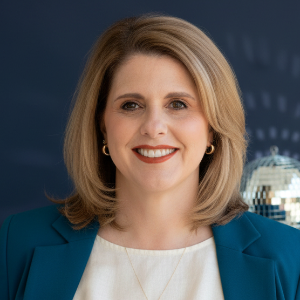
I'm Kathy Sizemore, a visibility strategist and business owner for over 30 years. When I tell people that I teach YouTube strategy, they assume I'm going to tell them to post every day, chase trends, and try to go viral. I'm not. In fact, my approach is almost the opposite.
Two Games Are Being Played on YouTube
There are two completely different games being played on YouTube, and most people don't realize they're playing the wrong one.
Game one is the creator game. This is for people who want YouTube to BE their business. Their income comes from AdSense, brand deals, sponsorships, and merchandise. Success is measured by views, subscribers, and watch time. Every piece of content exists to serve the platform and keep people watching.
Game two is the business owner game. This is for people who want YouTube to SERVE their business. Their income comes from clients, services, and products. Success is measured by leads, conversions, and revenue. Every piece of content exists to connect with the right person at the right time.
Same platform. Completely different strategies. And this distinction matters because the advice you follow has to match the game you're actually playing.
The Problem With Following Creator Advice as a Business Owner
Most YouTube advice comes from game one: creators teaching creators. When a business owner tries to follow that advice, it doesn't work. Or worse, they burn out trying.
Creators optimize for the platform. Their job is to keep people watching, so they chase trends. They post constantly, daily if possible. They study algorithm changes and adjust their content to match. They optimize for watch time above everything else. That approach makes sense when your revenue depends on keeping eyeballs on screen as long as possible.
But is that what you need? If you're a business owner, do you need millions of views? Do you need to post every day? Do you need to go viral? Probably not. You need the right people to find you, trust you, and reach out about working together.
YouTube strategy for business owners simply doesn't exist in most YouTube education. Instead, business owners get handed the creator playbook and told to make it work. That's like handing a restaurant owner a food truck manual and wondering why things feel off.
What YouTube Strategy for Business Owners Actually Looks Like
I optimize for the client, not the platform. That means I'm not trying to get the most views. I'm trying to get the right views. I'm not chasing trends. I'm creating evergreen content that answers questions my ideal clients are already asking.
I'm not posting daily. I'm posting on a sustainable schedule, and I'm staying consistent with it. Consistency matters more than frequency, and a schedule you can maintain for years will always outperform a posting sprint you abandon after six weeks.
I'm not optimizing for watch time. I'm optimizing for trust, for connection, for someone to watch my video and think, "She gets me. I want to work with her."
That reaction is worth more than a million views from people who will never become clients. For business owners, findable wins every time.
What This Looks Like in Practice
I co-own A-Bell Alarms with my husband. Family security company, been running since 1985. When I started a YouTube channel for that business, I didn't follow creator advice. I didn't post daily. I didn't chase trends. I researched what homeowners and business owners were actually typing into Google about security systems, and I made videos that answered those specific questions.
One video per question. Simple production. Sustainable schedule. No algorithm obsession.
We started getting calls from across the country. Not local leads. Calls from people in states we'd never advertised in, from people who'd watched a video, trusted what they saw, and picked up the phone. Some of them were outside our service area, so I started referring them to other dealers in my network and earning referral fees from those connections. A YouTube channel for a local security company in Temecula, California, was generating business in states I'd never set foot in.
My subscriber count was modest. My view counts were modest. But the people who watched were the right people, and they were ready to act. That's the business owner game working exactly the way it should.
Five Things I Don't Do (and Why That Matters)
Here's where my approach breaks from almost everything you'll hear in traditional YouTube advice.
I don't chase algorithm changes. I pay attention to them, but I don't let them dictate my strategy. The algorithm rewards consistency and relevance, which means a solid content approach will hold up regardless of whatever update YouTube rolls out next.
I don't create content that doesn't connect to my offers. Every video I make has a purpose in my business. If it doesn't connect to something I sell or someone I serve, it doesn't get made.
I don't try to appeal to everyone. I create content for a specific person, and I'm okay if everyone else scrolls past. Speaking directly to one person is always more effective than trying to be everything to everyone.
I don't try to go viral. I've never had a viral video. I don't need one. My channel works anyway because it's built on search and evergreen content, not spikes of attention.
I don't post daily. I post on a schedule that's sustainable for me and my business. Sustainability over speed, every time.
Building a Content Asset, Not a Content Treadmill
The content I create is intentional, and it compounds. Videos keep working months and years after I post them because they answer questions people keep asking. That's what evergreen content does: it turns your channel into a library of searchable assets rather than a feed that demands constant replacement.
I focus on being found by the right people, people who are already searching for what I offer. When someone types a question into YouTube or Google and my video shows up, that person chose to find me. They have a problem I can solve. They're already interested. That's a completely different dynamic than social media, where you're interrupting someone's scroll and hoping they stop.
This is what I mean when I say content asset instead of content treadmill. A content treadmill demands constant creation just to stay visible. A content asset grows in value over time, working for your business while you're busy running it. YouTube's own algorithm now rewards viewer satisfaction over raw watch time, which means content that genuinely helps people performs better than content designed to keep them watching as long as possible.
You Don't Have to Become a YouTuber to Use YouTube
You don't have to become a YouTuber to use YouTube. You don't have to dance on camera. You don't have to chase trends or post every day or obsess over the algorithm.
You can stay a business owner who happens to have a YouTube channel. You can show up as yourself, not as a performer. You can build something sustainable that brings the right people to your door without sacrificing your sanity or your schedule in the process.
If traditional YouTube advice has ever made you feel like you're doing it wrong, consider the possibility that the advice was wrong for you. YouTube strategy for business owners starts with understanding which game you're playing.
FAQ
Is YouTube worth it for service-based business owners?
Yes. YouTube is a search engine, not just a social media platform. Your ideal client is already searching for answers to problems you solve. When your video shows up in those search results, you're connecting with someone who chose to find you. For service-based business owners, that kind of inbound visibility is far more valuable than chasing followers on social platforms where your content disappears in 24 to 48 hours.
How often should a business owner post on YouTube?
Post on a schedule you can sustain long-term. Consistency matters more than frequency. One video per week, every other week, or even twice a month can work if you stick with it. A schedule you maintain for two years will always outperform a daily posting sprint that burns you out in two months.
Do business owners need to go viral on YouTube?
No. Going viral is a creator metric, not a business owner metric. You don't need a million views. You need the right views from people who are actively searching for what you offer. A video with 50 views from potential clients is more valuable to your business than a video with 50,000 views from people who will never buy from you.
What's the difference between evergreen content and trending content for business owners?
Trending content capitalizes on what's popular right now. It spikes and then disappears. Evergreen content answers questions your ideal client is always asking. It gets found through search and keeps working for months and years after you publish it. For business owners, evergreen content builds a searchable library that generates leads over time instead of demanding constant replacement.
How do I know if my YouTube strategy is working as a business owner?
Look at business metrics, not just platform metrics. Are you getting inquiries from people who mention your videos? Are leads coming in from search? Is your content connecting with the right person, even if the view count is modest? If the right people are finding you and reaching out, your strategy is working, regardless of what your subscriber count says.
Get the Strategy That Works While You Work
One email per week. No trends to chase. Just YouTube strategy built for business owners who would rather be found than famous. Written by Kathy Sizemore, YouTube Strategist for Business Owners, from nearly 30 years of running a real business.
No spam. No daily posting advice. Just real strategy from someone who actually runs a business. You can unsubscribe anytime, but you probably won't want to.
Author