YouTube for Coaches: How to Decide If It's Worth Your Time
Jan 12, 2026
YouTube for coaches sounds promising in theory. But if you've been burned by social media before, hesitation makes sense.
You've poured hours into platforms that promised visibility and delivered exhaustion instead. The last thing you need is another marketing channel that demands everything and returns very little.
So let's answer the question honestly. Is YouTube actually worth it for coaches? The answer depends on what kind of business you've built and what kind of visibility you're trying to create.
The short answer: YouTube is worth it for coaches who have clarity on their audience, want visibility that compounds over time, and are willing to play a longer game. It's not ideal if you need clients this week or haven't nailed your niche yet.
Why YouTube for Coaches Works Differently
Most social media platforms operate like a feed. Content flows past, gets a few hours of attention, and disappears. You have to keep posting just to stay visible.
The algorithm rewards entertainment, trends, and frequency. For coaches with real expertise and established businesses, this model rarely fits. You're competing with viral moments and dancing videos. That's not the game you signed up to play.
YouTube operates more like a library. It's the world's second largest search engine, with over 2.5 billion monthly users actively searching for answers. People come there looking for solutions to real problems.
When someone types "how to find the right business coach" into YouTube, she's actively looking for help. If your video answers her question, she finds you. Not because you tricked an algorithm. Because you showed up where she was already searching.
This is what makes a YouTube strategy for coaches fundamentally different from social media marketing. You're not interrupting. You're answering.
The Numbers Behind Video Trust
The data supports what many coaches intuitively sense: video builds trust faster than other content formats.
According to Wyzowl, 91% of people have watched an explainer video to learn more about a product or service. Even more compelling, 87% of viewers have purchased from a brand after seeing it on YouTube. People don't just watch passively. They take action.
Research also shows that people retain 95% of a message when they watch it in video, compared to only 10% when reading text. For coaches whose work depends on connection and clarity, that difference matters. Your potential clients remember what you teach them. They internalize your approach before ever booking a call.
Sprout Social's research found that 47% of YouTube users interact with brands at least once a week, and users spend an average of 48.7 minutes per day on the platform. That's nearly an hour of attention, available to coaches who show up with valuable content.
Additionally, 72% of consumers prefer video as their primary way to learn about a service. That preference creates an opportunity. When you meet people where they already want to consume content, you remove friction from the trust-building process.
For coaches wondering whether YouTube is worth it for business, these numbers make the case clearly. The audience is there. The trust-building potential is real. The question is whether the strategy fits your situation.
Trust Is the Real Advantage
For coaches, this shift changes everything. Your business depends on trust. Clients aren't buying a product they can return if it doesn't work. They're buying access to you: your guidance, your perspective, your ability to help them navigate something hard.
That kind of trust takes time to build. A three-minute reel rarely gets you there.
However, a fifteen-minute video where you actually teach something valuable? That's different. People feel like they know you before they ever reach out. They arrive at your discovery call already understanding your voice, your philosophy, and whether you're the right fit.
And unlike social media content that expires in hours, YouTube videos keep working. A video you record today can still generate leads two years from now. That's the compounding effect most coaches have never experienced with their marketing.

What Happens When Strategy Meets Consistency
Consistency matters on YouTube, but consistency alone isn't enough.
I recently worked with a life coach who had been publishing weekly videos for several years. She was doing everything "right" in terms of showing up. Yet her videos were only getting 30 to 50 views each. The content was valuable. The delivery was authentic. But almost no one was finding her.
When we applied the SEO optimization tools I teach, something shifted. She started titling her videos based on what her ideal clients were actually searching for. She optimized her descriptions and tags to match real search queries.
The results were immediate. Views increased. Website traffic climbed. The same quality content she'd been creating all along finally started reaching the people who needed it.
That's the difference between posting consistently and posting strategically. Both matter. But a YouTube strategy for coaches that includes search optimization is what unlocks the reach.
Signs YouTube Might Be Right for Your Coaching Business
YouTube tends to work well for coaches who find themselves answering the same questions repeatedly. If clients regularly ask you how to handle a specific challenge, those questions make excellent videos. You're not creating content from scratch. You're capturing expertise you already have.
This strategy also fits coaches who are tired of daily posting. If the thought of creating another Instagram carousel makes you want to close your laptop, you're not lazy. You're simply mismatched with a platform that wasn't designed for how you work.
YouTube rewards depth over frequency. One thoughtful video per week, or even every two weeks, is enough to build momentum.
Additionally, this approach works especially well when your clients need to trust you before they buy. High-ticket coaching, transformation work, and long-term engagements all require relationship before transaction. YouTube lets potential clients spend real time with you before they ever book a call.
Signs YouTube Might Not Be Right Yet
YouTube isn't the answer for every coach at every stage.
If you're still figuring out who you serve, YouTube will amplify that confusion. The platform rewards specificity. Coaches who try to speak to everyone end up reaching no one. Before you invest in video, get clear on your ideal client and the transformation you provide.
Similarly, if you need clients this week, YouTube probably isn't your fastest path. This is a long game. Most channels take three to six months of consistent publishing before momentum builds. If you're in a cash crisis, focus on direct outreach and referrals first.
Finally, if you dislike being on camera and can't imagine warming up to it, that's worth paying attention to. YouTube doesn't require Hollywood production. But it does require you to show up as yourself. Some coaches thrive on camera and some don't. There's no shame in choosing a different path.
What a Realistic YouTube Strategy Looks Like
You don't need to post every day. You don't need fancy equipment or a studio setup.
You need clarity on who you serve. You need a handful of questions your ideal clients are already asking. And you need the willingness to show up and teach what you know.
The coaches I work with aren't trying to become influencers. They're building a visibility system that works while they focus on the work they love. For most of them, YouTube is the first marketing strategy that's ever felt sustainable.
A simple starting point: list ten questions your clients ask you most often. Each one is a potential video. Record your answers the same way you'd explain them on a call. That's your content library taking shape.
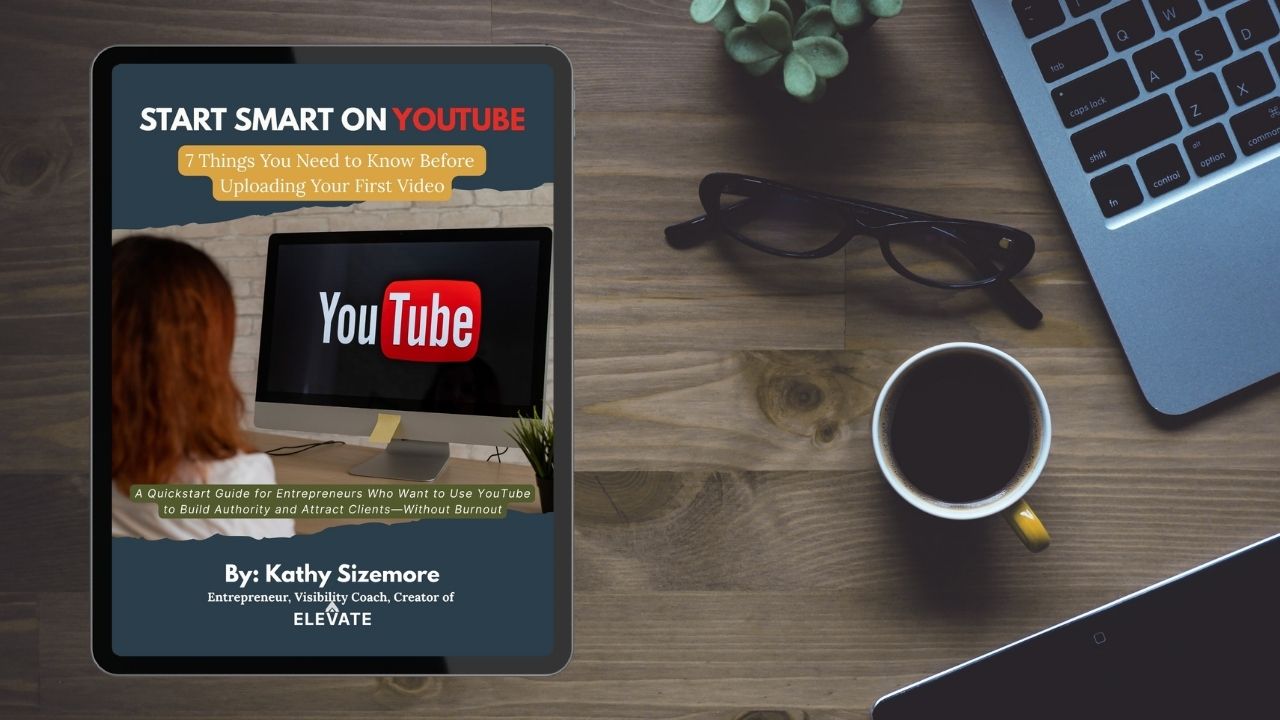
For a step-by-step approach, check out my Start Smart on YouTube guide to plan your first videos without overwhelm.
The Bottom Line
Is YouTube worth it for coaches? It depends on what you're building and whether you're ready to play a longer game.
For established coaches who want to stop renting attention and start building something that lasts, YouTube is one of the few marketing strategies that actually compounds. Your videos keep working months and years after you hit publish.
If you've been wondering whether this path fits your business, the answer isn't simply yes or no. It's about alignment: your strengths, your audience, and your capacity.
And if the fit feels right? The best time to start was a year ago. The second best time is now.
Frequently Asked Questions
Is YouTube worth it for coaches just starting out?
It depends on your clarity. If you know exactly who you serve and what transformation you provide, YouTube can work from day one. If you're still figuring out your niche, focus on that foundation first. YouTube amplifies whatever positioning you already have.
How often should coaches post on YouTube?
Once a week is ideal for building momentum, but every two weeks can still work if consistency is sustainable. The key is regularity, not frequency. One strategic video every two weeks beats sporadic daily posting.
What should my first YouTube video be about?
Start with the question your clients ask you most often. You already know the answer. You've probably explained it dozens of times. That's your first video. No need to overthink it.
How long does it take to see results from YouTube?
Most coaches see meaningful traction between three and six months of consistent, optimized publishing. YouTube is a long game, but the payoff compounds. Videos you post today can still generate leads years from now.
Your Next Step
Ready to explore whether YouTube fits your coaching business? Download my free guide, Start Smart on YouTube, and learn how to plan your first videos with clarity and confidence.
Get the Strategy That Works While You Work
One email per week. No trends to chase. Just YouTube strategy built for business owners who would rather be found than famous. Written by Kathy Sizemore, YouTube Strategist for Business Owners, from nearly 30 years of running a real business.
No spam. No daily posting advice. Just real strategy from someone who actually runs a business. You can unsubscribe anytime, but you probably won't want to.
Author